
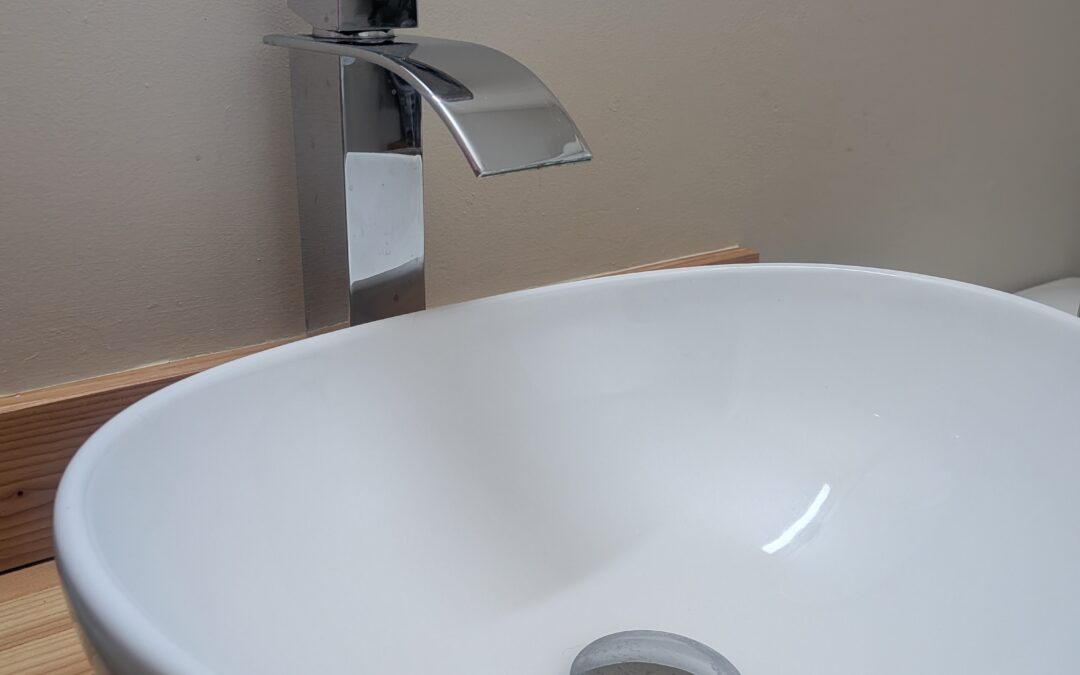
Replacing a bathroom faucet is one of the simplest upgrades you can make, on both the look and functionality of your bathroom. In many cases where you’re dealing with a leaky faucet, replacing the faucet may be the easiest fix. On top of that, you can upgrade to a more modern style.
Knowing what to expect before starting can save time, frustration, and extra trips to the hardware store – Below are some common reasons homeowners replace bathroom faucets, along with key considerations to keep in mind.
Helpful Tools for Faucet Replacement
Having the right tools on hand makes the job much easier — especially in the tight space under a sink.
Commonly helpful tools include:
-
Adjustable wrench or basin wrench – Not 100% required, but can make the job much easier as you will need to reach the bottom of the countertop, navigating around the sink basin and drain pipes (you’ll need to disconnect the water supply lines so those will be out of the way).
-
Channel-lock pliers
-
Bucket or towels (for residual water)
-
Flashlight or headlamp
New Faucet Considerations (Before You Buy)
Before purchasing a new faucet, check a few important details:
- Mounting Type/Configuration
You can choose your new faucet based on your current configuration/mounting type. For instance, some faucets are single hole, while others are center-set (~4″ between holes the holes for spout, hot handle and cold handle) or wide-spread (holes are further apart than center-set)
-
Water supply hose sizes
Most sinks use standard supply lines, with most common being 3/8″ , but older homes may vary. Some faucets include new supply hoses; others require separate purchase. -
Shutoff valve condition
You must shut off the water supply using shutoff valves under the sink, so if they are old or stiff you may need to consider additional steps to avoid leaks. -
Clearance and reach
Make sure the faucet spout height and reach work with your sink and backsplash.
Taking a few measurements ahead of time can prevent fit issues.
Drain Assembly Types
Most faucet replacements also involve the drain. Common drain types include:
-
Pop-up drain assemblies (controlled by a lift rod)
-
Push-button or clicker drains
-
Grid drains (no stopper)
Not all faucets include a drain assembly, so confirm compatibility with your sink before installation.
Need Help Replacing a Bathroom Faucet?
While some homeowners choose to DIY, faucet replacement often involves tight spaces, old rusted plumbing, and potential leaks. A handyman can ensure the faucet is installed correctly, sealed properly, and functioning without issues.
Help Me Henry provides professional bathroom faucet replacement services in Somerset County, NJ, helping homeowners upgrade their bathrooms quickly and stress-free.