
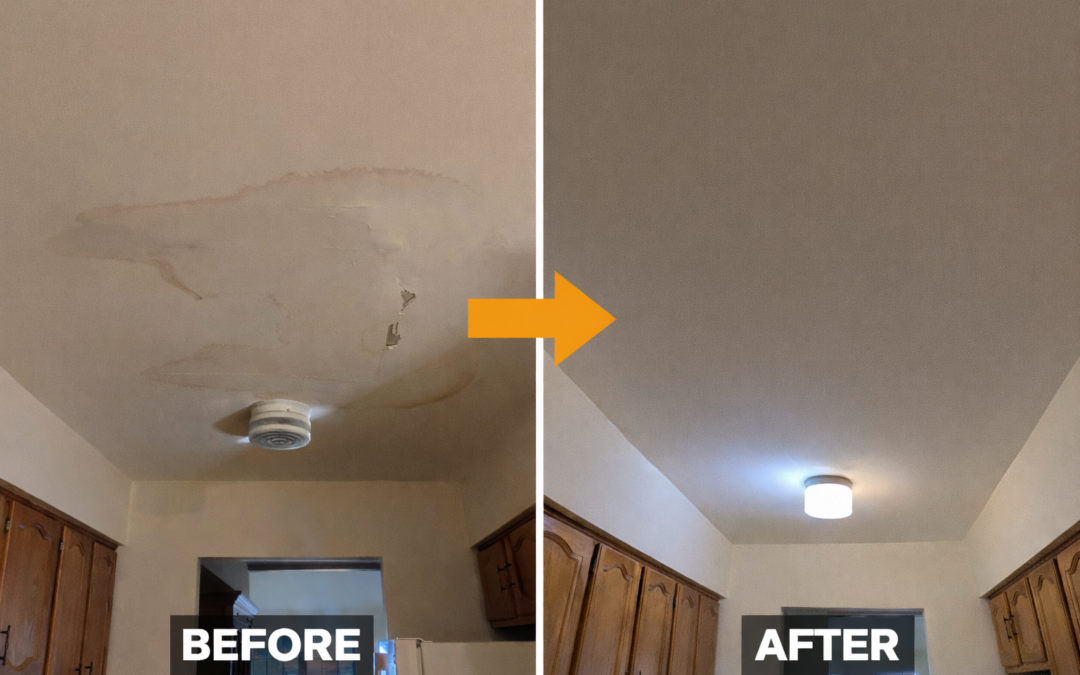
Drywall Repair: The Right Fix Depends on the Size of the Damage
Drywall damage happens in almost every home — from nail holes left behind by pictures to larger holes caused by accidents or plumbing access. While many drywall issues look similar at first glance, the best repair method depends on the size and type of damage.
Below is a some of the common drywall problems and how each can be properly repaired for clean, long-lasting results.
Small Holes (Nail Holes & Screw Holes)
These are the most common drywall repairs and usually come from picture hooks, anchors, or small fasteners.
Typical fix includes:
-
Removing loose material (including embedded anchors)
-
Filling the hole with spackling compound or lightweight joint compound
-
Light sanding (once dry)
-
Touching-up with paint
When done correctly, small hole repairs will be virtually invisible on the wall after painting.
Thin Cracks (Settling or Stress Cracks)
Hairline cracks often appear around door frames, corners, or ceilings due to normal house settling or seasonal movement.
Proper repair usually requires:
-
Slightly widening the crack to remove loose edges
-
Applying joint compound, using drywall tape if the crack has previously occurred
-
Sanding smooth (repeating above steps as necessary) and repainting
Simply painting over cracks rarely works — they will often return since the area has not been reinforced.
Medium Holes (Dents, Furniture Damage)
Medium-sized holes are typically caused by door handles hitting walls, furniture impacts, or other accidents.
These repairs may involve:
-
Cutting out all the remaining damaged drywall, and cutting a new piece to fit (careful of potential wires/piping behind the drywall!).
- Installing strapping behind existing drywall to give the new drywall something to fasten into
-
Applying multiple thin coats of joint compound in the joints (using drywall tape on the joints), with sanding in between coats
- Painting to match color
These repairs require more prep than small holes but can still be completed cleanly without replacing the entire drywall section.
Large Holes (Major Damage or Cut-Out Sections)
Large holes can result from accidents, water damage removal, or access for plumbing or electrical work.
Professional repair often includes:
-
Cutting the damaged area into a clean square or rectangle
-
Installing a strapping as backing support
-
Securing the new piece of drywall into the hole
-
Taping, mudding, sanding, and texture matching
-
Priming and painting
Large drywall repairs are the most time-consuming and require the most precision to avoid visible seams or uneven walls.
When to Call a Professional for Drywall Patching
While some small drywall repairs can be DIY-friendly, medium and large holes can often take some time due to the multiple steps with proper tools to achieve a smooth finish. Poor repairs tend to show through the paint (e.g. visible bumps on repaired areas) and worsen over time.
Help Me Henry provides professional drywall patching services in Somerset County, NJ, handling everything from small nail holes to large drywall repairs — with clean, seamless results.