
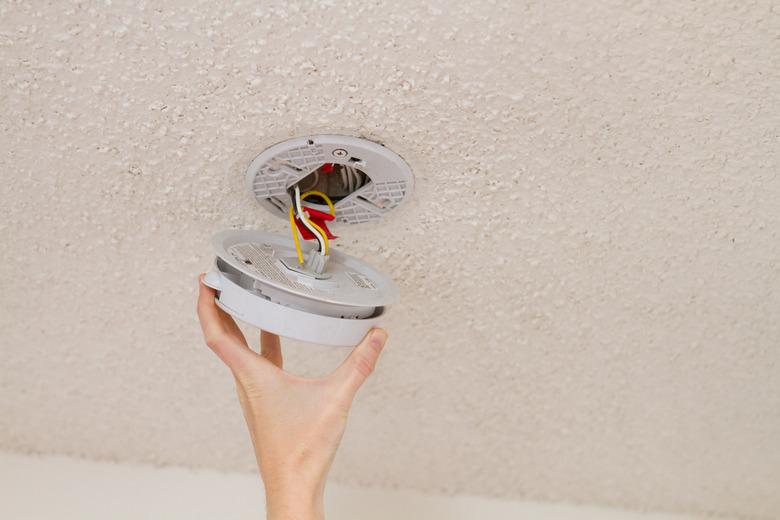
Smoke Alarm Replacement Tips
A beeping or chirping smoke alarm is one of the most common home safety complaints. While on surface it can be irritating and seems like an annoyance, that is by design. That occasional chirp every 30–60 seconds is usually your alarm’s way of telling you something needs attention. While a low battery is the most common cause, persistent beeping often means the alarm has reached the end of its lifespan or has another underlying issue.
Before replacing a smoke alarm or its batteries, here are a few key considerations every homeowner should keep in mind.
1. Smoke Alarm Lifespan (Usually 10 Years)
Most smoke alarms are designed to last about 10 years. When they reach end-of-life, they will chirp continuously even after the battery is replaced. This indicates the internal sensor is no longer reliable.
Check the back of the alarm for the manufacture date, which can be located on the mounted side of the smoke alarm, visible after removing. If it’s 10+ years old — or if no date is visible — replacement is the safest option.
2. Power Type: Battery vs. Hardwired
Knowing how your smoke alarm is powered helps determine the how you might need to resolve the issue.
Battery-Powered Alarms
-
Easier to replace
-
Often chirp due to low or failing batteries
-
10-year sealed battery models reduce maintenance
-
The entire unit needs replacement at end-of-life
Hardwired Alarms (With Battery Backup)
-
Connected to household electrical wiring, may need the power from the breaker to be shut off prior to removal. If any rewiring is needed, seek out a professional for help.
-
Often interconnected with other alarms in the home (example: when one goes off in the kitchen, the rest of the alarms near the bedrooms will also sound)
-
Backup battery requiring replacement can also cause chirping
3. Compatibility with Existing Hardwired Alarms
If your home has interconnected smoke alarms, replacement units must be compatible with the existing system. Mixing brands or models can prevent alarms from communicating correctly.
In many cases, replacing all alarms at the same time makes sense — especially if they were installed together and are the same age.
4. Ladder Use and Safety During Replacement
Most smoke alarms are installed on ceilings or high on walls, which means ladder safety is critical.
Keep these tips in mind:
-
Set a stable step ladder on a flat surface
-
Never stand on the top
- Avoid overreaching — climb down and reposition the ladder instead
-
Have someone help to hold the ladder and/or be an extra set of hands on the ground (e.g. taking the old alarm or handing the new alarm)
Falls from ladders are one of the most common home-related injuries, and even a quick smoke alarm replacement can become dangerous if rushed.
5. When Beeping Isn’t the Battery
If your alarm continues to chirp after replacing the battery and checking power connections, it’s likely time for a full replacement. Continuous beeping, false alarms, or random activation are signs the unit is no longer reliable.
Hope these tips help – please do not delay or ignore a chirping smoke alarm, as they are a critical safety feature in our homes.
If you need help in diagnosing your smoke alarm won’t stop chirping, or you’d rather not climb a ladder, Help Me Henry is here for you. I safely replace smoke alarms and ensure they’re working correctly — without the stress or risk.
Help Me Henry provides reliable, professional handyman services for families in Somerset County, NJ — helping keep homes safe and up to date.