
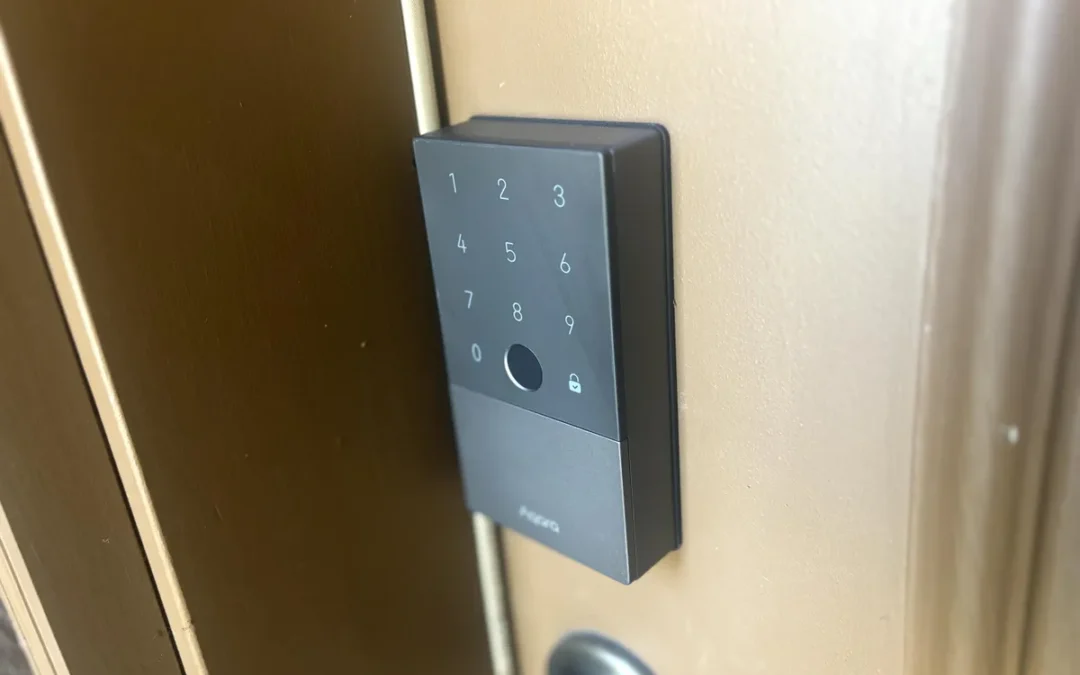
Deadbolt locks are one of the most important components of your home’s security. Over time, locks wear out, become unreliable, or simply fall behind modern security standards. Whether you’re moving into a new home or upgrading to a smart lock, replacing or upgrading your deadbolt locks is a smart investment.
Below are some key considerations to keep in mind when replacing your lock.
Types of Deadbolt Locks
There are several types of deadbolts available, but these are the most common that I have installed.
Single-Cylinder Deadbolts
-
Most common type
-
Keyed from the outside, thumb turn on the inside
Keyless & Smart Deadbolts
-
Uses a keypad, fingerprint, or smartphone
-
Eliminates the need for physical keys
-
Great for families, rentals, or short-term access
Fit and Compatibility Considerations
Before replacing a deadbolt, it’s important to check:
-
Door thickness (standard vs. thicker exterior doors)
-
Backset size (distance from door edge to lock center)
-
Existing bore hole size
-
Alignment with the strike plate
Most standard doors are compatible, but older homes may require adjustments.
Strike Plate and Door Frame Matters
A deadbolt is only as strong as the door frame it locks into.
When installing a new deadbolt, make sure to:
-
Align the strike plate properly
-
Secure mounting into solid framing (not just trim) by using longer screws
-
Consider upgrading to a reinforced strike plate for added security
Misaligned strike plates can cause sticking or prevent full locking/extension of the deadbolt.
When to Call a Professional
While some deadbolt replacements are straightforward, issues like misaligned doors, worn frames, or smart lock installation can make the job more complex. Improper installation can reduce security rather than improve it.
Help Me Henry provides professional deadbolt lock replacement and upgrades in Somerset County, NJ, ensuring locks are properly aligned, secure, and functioning smoothly.