
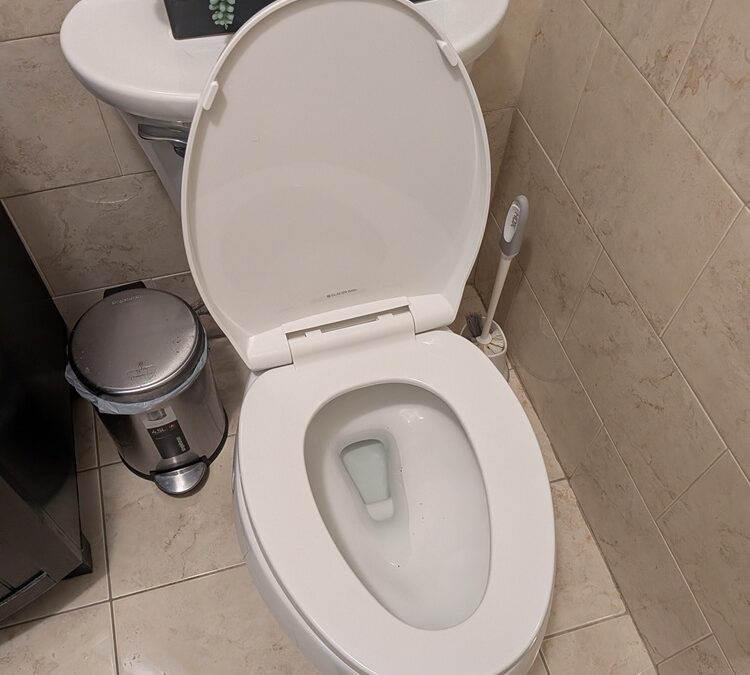
Get Your Bathrooms Guest-Ready
Before summer guests arrive, a quick bathroom tune-up goes a long way. The good news: most issues are small, predictable, and fixable with basic tools. Here’s what commonly goes wrong, why it matters, and what a solid repair involves.
Running Toilets
What goes wrong: A worn flapper, misadjusted chain, sticky float, or tired fill valve keeps the toilet refilling.
Why it matters: It wastes water and creates noise guests notice—especially at night.
General repair steps: Inspect the flapper for warping, clean or replace it, adjust the chain for slight slack, and set water level about an inch below the overflow. If the fill valve hisses or won’t shut off, replace it. For step-by-step options, see Fix Running Toilet.
Dripping Faucets
What goes wrong: Worn cartridges or washers, mineral buildup, or loose handle screws.
Why it matters: Drips add up on the water bill and leave spots and rings in sinks.
General repair steps:
- Shut off the water at the stops under the sink.
- Plug the drain so you don’t lose tiny screws.
- Disassemble the handle and spout per the manufacturer, replace the cartridge or washer, and reassemble.
- If the faucet is dated or pitted, swapping the whole fixture can be faster. Learn what to check before you start: Replace Bathroom Faucet.
Loose Towel Bars and Toilet Paper Holders
What goes wrong: Anchors pull out of drywall or were never used; tiny set screws loosen over time.
Why it matters: Wobbly hardware looks neglected and can tear the wall right before guests arrive.
General repair steps:
- Tighten the small set screw under each bracket first.
- If the bracket won’t tighten, remove it and inspect the wall. Patch stripped holes, then use proper anchors (toggle/expanding anchors) or mount into a stud.
- For hole size and patch approach, see Drywall Repair Types.
Caulk Gaps Around the Tub, Shower, and Sink
What goes wrong: Mildew, cracked beads, and missing sections where water sneaks behind tile or counters.
Why it matters: Small gaps lead to hidden moisture, damaged drywall, and musty smells—none of which say “welcome.”
General repair steps: Remove old caulk completely, clean with a mildew remover, dry well, then apply a smooth bead of 100% silicone or a quality kitchen/bath sealant labeled for mold resistance. Tool the bead, then let it cure fully before shower use. If you’d like a refresher, see our tips on recaulking a bathtub or shower.
Slow Drains
What goes wrong: Hair and soap scum catch at the stopper or just inside the trap.
Why it matters: Backed-up water leaves residue and delays everyone getting ready.
General repair steps:
- Remove and clean the pop-up stopper; clear hair with a zip tool.
- Flush with hot water and a bit of dish soap. Avoid harsh chemical drain cleaners—they can damage finishes and traps.
- If needed, place a bucket under the P-trap and clean it out carefully. Reassemble with the washers aligned.
Cabinet Knobs, Pulls, and Hinges
What goes wrong: Loose handles, stripped screw holes, and doors that don’t line up.
Why it matters: Guests notice sticky drawers and crooked doors immediately.
Good repair:
- Tighten all hardware; add a dab of threadlocker for screws that loosen repeatedly.
- For stripped holes, fill with wood glue and toothpicks or a dowel, let cure, then re-drill a pilot hole.
- Adjust hinges so doors are even and close smoothly. For more cabinet fixes, see our guide to cabinet hinge and drawer repairs.
Additional Quick Upgradess
- Swap a tired showerhead for a fresh one to improve spray and cut mineral spots—here’s a simple upgrade: Replacing a Showerhead.
- Add fresh towels and a small trash bin with liners.
- Check the fan runs quietly and the switch plate is snug. (We avoid any licensed electrical work.)
Need a Hand Before the Doorbell Rings?
If you’re in Somerset County, NJ, Help Me Henry can knock out those small bathroom repairs quickly and cleanly—so you can focus on preparing for your guests. Share a few details and your town, and we’ll suggest a practical plan and a convenient time.